September 2, 2026
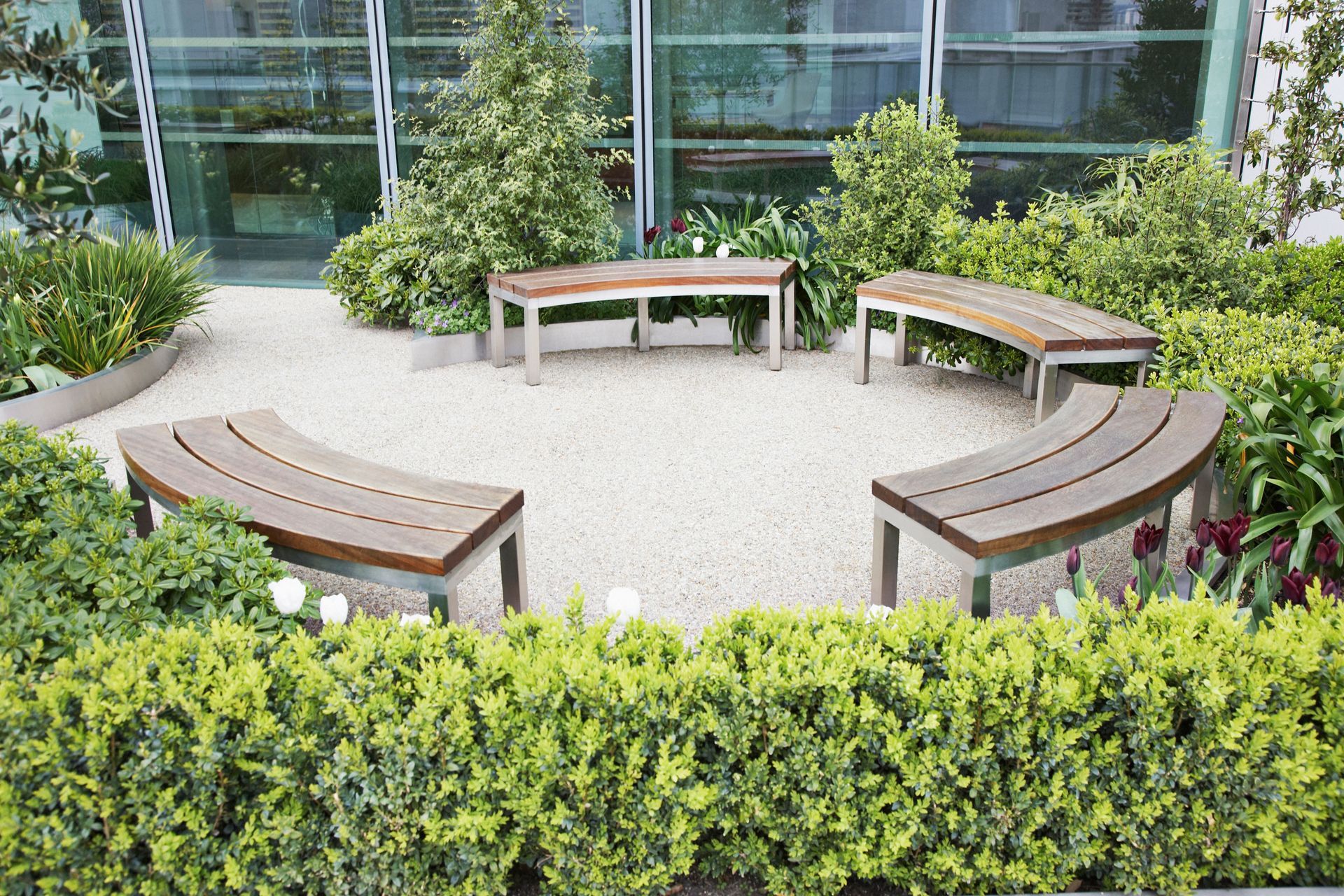
The aesthetic appeal and functionality of a commercial property can significantly influence how customers, tenants, employees, and visitors perceive the space. Maintaining an attractive exterior, however, often requires expertise beyond basic gardening and occasional lawn care. Recognizing the signs that professional assistance is needed can help business owners and property managers protect curb appeal, improve outdoor usability, and prevent minor landscape problems from becoming costly concerns. A commercial landscaping company can provide the equipment, knowledge, and consistent attention necessary to manage larger and more complex properties. Understanding when to bring in professional support can make it easier to maintain an exterior that complements the building and creates a welcoming environment.
Managing Increasing Maintenance Demands
Commercial properties often require substantial time, labor, and resources to maintain. Grass must be mowed, plants need pruning, beds require weeding, and debris must be removed regularly. When employees or property managers are struggling to fit these responsibilities into already busy schedules, landscape quality may begin to decline. A commercial landscaping company can establish a consistent maintenance schedule based on the property's size, plant varieties, seasonal conditions, and appearance goals. Professional crews can also handle routine work more efficiently because they arrive with appropriate equipment and established procedures.
Complex landscape designs can make maintenance even more demanding. Commercial grounds may include ornamental trees, flowerbeds, shrubs, retaining walls, pathways, decorative stone, and other features that require different forms of care. Seasonal changes further complicate the process because pruning, fertilizing, planting, cleanup, and irrigation needs vary throughout the year. Professional care can coordinate these responsibilities so that individual landscape elements receive attention at appropriate times rather than being addressed only after visible problems develop.
Addressing Declining Lawn and Plant Health
Uneven grass growth, bare patches, discoloration, thinning turf, and persistent weeds can indicate problems beneath the surface. Soil compaction, inadequate nutrients, poor drainage, pests, improper mowing, and inconsistent watering can all affect turf health. Simply adding fertilizer or increasing irrigation may not solve the underlying problem and could potentially make certain conditions worse. Professional landscapers can evaluate the site and determine whether aeration, overseeding, soil amendments, drainage improvements, or other treatments are appropriate.
Plants can also provide warning signs that professional intervention is needed. Wilting, yellowing leaves, premature leaf loss, dead branches, and limited flowering may indicate environmental stress, disease, pests, or unsuitable growing conditions. A commercial landscaping company can assess these symptoms within the context of soil quality, sunlight, drainage, plant placement, and maintenance practices. Addressing the cause rather than only the visible symptoms can support healthier plants and reduce the likelihood of repeated problems.
Controlling Overgrowth and Improving Appearance
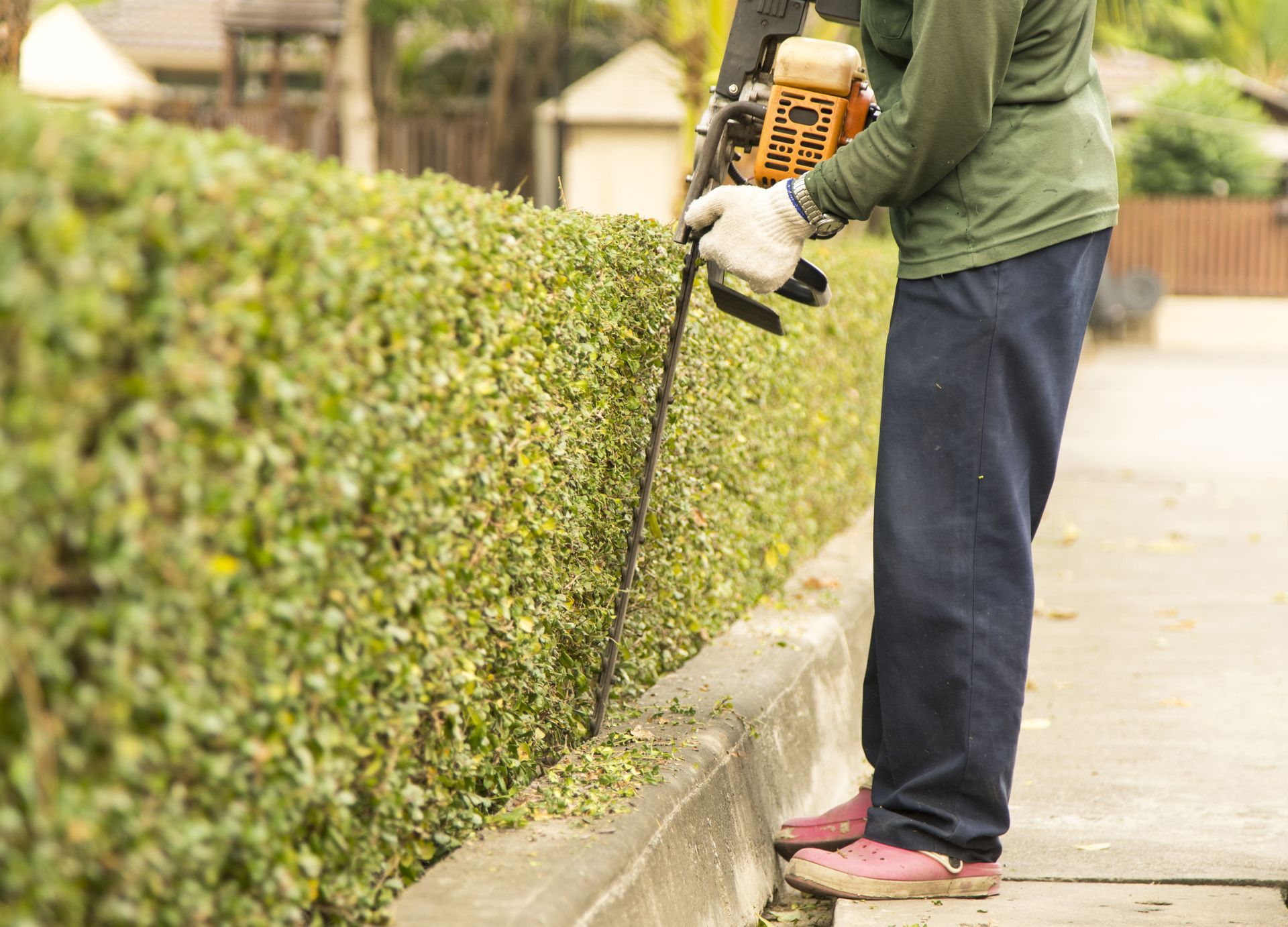
Overgrown shrubs, untrimmed hedges, crowded flowerbeds, and vegetation extending into walkways can quickly make a commercial property look neglected. Excessive growth can also create practical concerns by obstructing signs, reducing visibility around parking areas, blocking lighting, or interfering with pedestrian routes. Regular pruning and trimming help maintain appropriate plant size while encouraging healthier growth. Professionals understand how different species respond to pruning and can avoid cutting practices that may weaken plants or diminish their natural appearance.
Consistency is especially important across larger properties with multiple entrances, buildings, parking areas, or gathering spaces. One section may look healthy while another appears sparse or poorly maintained. These differences can result from varying sunlight, irrigation coverage, soil conditions, or maintenance practices. Establishing a coordinated landscape plan helps create a more unified appearance and makes it easier to identify areas that require specialized attention. According to the National Association of Landscape Professionals, 43% of consumers use professional landscaping services to enhance their home’s curb appeal. Although this statistic focuses on residential consumers, it demonstrates the importance people place on professionally maintained outdoor spaces and the positive impression that attractive landscaping can create.
Improving Irrigation and Managing Water Use
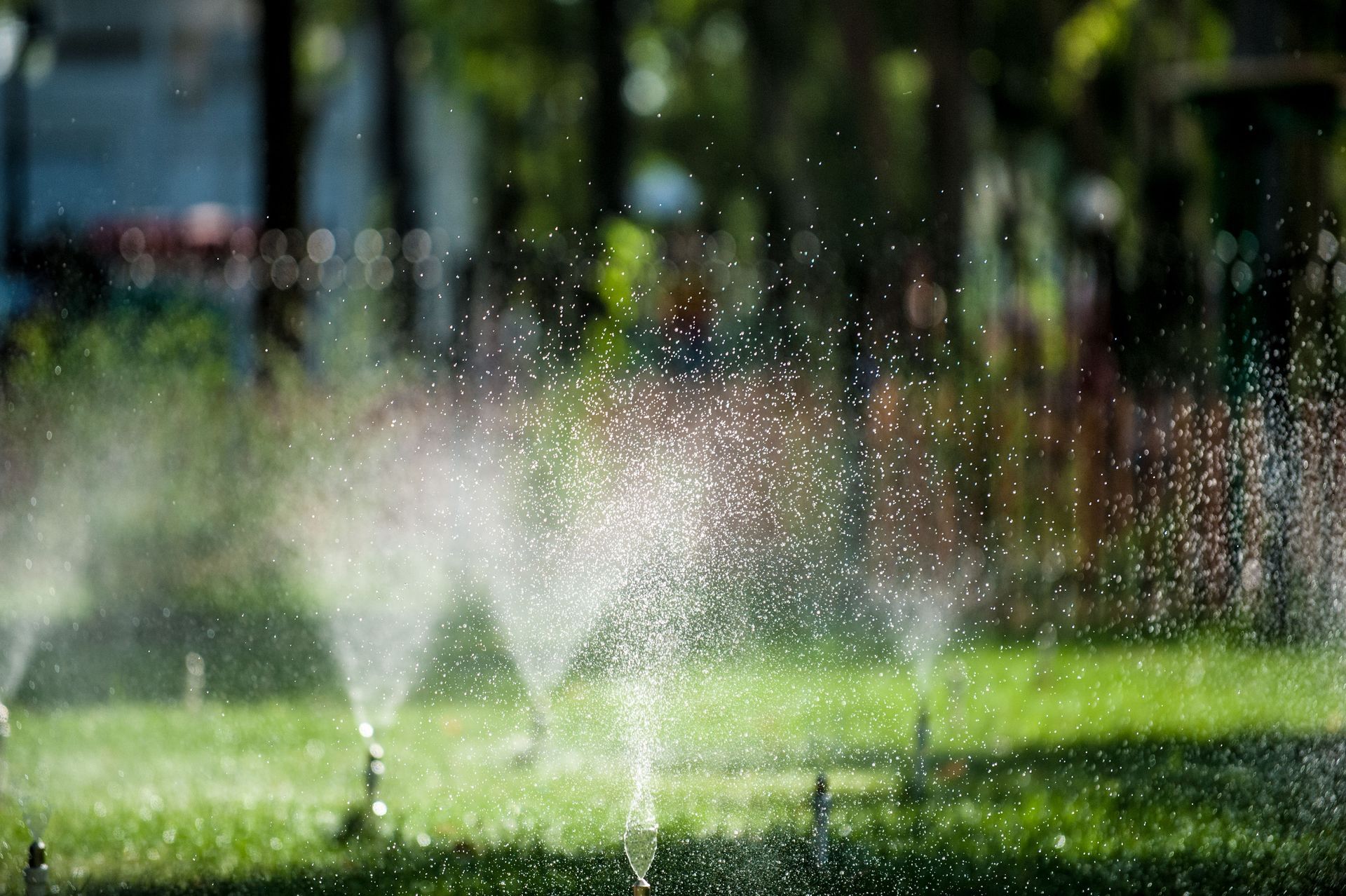
Proper irrigation is essential for maintaining healthy commercial grounds, but watering problems are not always obvious. Broken sprinkler heads, leaking lines, incorrect controller settings, poor coverage, and clogged components can waste water while leaving plants inadequately hydrated. Puddles, unusually dry areas, runoff, and unexpectedly high water bills may all signal that the irrigation system needs inspection. A commercial landscaping company can evaluate irrigation performance and make adjustments based on plant requirements, soil conditions, and seasonal weather patterns.
Efficient water management can also reduce unnecessary operating expenses. Landscapes with plants that are poorly suited to local conditions may require frequent watering to survive, while more appropriate species may perform well with fewer resources. Improving irrigation zones, adjusting watering schedules, repairing leaks, and selecting plants based on site conditions can create a landscape that is easier to maintain. These measures are particularly valuable in areas where water restrictions or conservation requirements affect commercial properties.
Preventing Pest, Disease, and Weed Problems
Persistent weeds, insect damage, fungal symptoms, and plant diseases can spread quickly when they are not identified and managed properly. Different problems may produce similar symptoms, making accurate diagnosis important before treatment begins. Applying the wrong product or using excessive treatments can waste money without resolving the underlying issue. Professional landscape crews can monitor plant conditions and identify developing problems before they affect larger portions of the property.
Preventive care is often more effective than waiting until substantial damage has occurred. Maintaining healthy soil, selecting suitable plants, removing diseased material, improving airflow, and following appropriate watering practices can make landscapes less vulnerable to certain problems. A commercial landscaping company can incorporate these measures into an ongoing maintenance program rather than treating pest and disease management as an isolated task. Routine observation also allows changes in plant health to be noticed sooner.
Accessing Specialized Equipment and Technical Expertise
Maintaining a large commercial landscape can require equipment that many businesses do not own. Commercial mowers, aerators, hedge trimmers, pruning tools, spreaders, blowers, and other specialized equipment can be expensive to purchase, store, and maintain. Employees must also know how to operate the equipment safely and effectively. Outsourcing landscape care provides access to appropriate tools without requiring the property owner to manage an additional equipment inventory.
Plant selection and placement also require technical knowledge. Soil type, drainage, sunlight, mature plant size, climate, and surrounding structures can determine whether a species succeeds in a particular location. Poor plant selection may lead to frequent replacements, excessive maintenance, or vegetation that eventually interferes with sidewalks and buildings. Professionals can recommend plants based on both design goals and practical site conditions, helping create outdoor spaces that remain manageable as vegetation matures.
Reducing Safety and Accessibility Concerns
Landscaping can affect the safety and accessibility of a commercial property. Tree limbs hanging over parking spaces, roots lifting walkways, vegetation blocking signs, and shrubs obscuring sightlines can create avoidable hazards. Wet leaves, fallen branches, and landscape debris may also increase the risk of slips or interfere with pedestrian movement. Regular inspections help identify these issues before they become more serious.
A commercial landscaping company can incorporate safety considerations into routine maintenance by keeping walkways clear, maintaining appropriate vegetation heights, monitoring tree and shrub growth, and addressing debris promptly. Landscape planning can also account for entrances, ramps, parking areas, lighting, and pedestrian routes. Maintaining these spaces supports accessibility while helping visitors navigate the property more comfortably.
Hiring a commercial landscaping company can give property owners access to specialized knowledge, equipment, and consistent maintenance without placing additional responsibilities on internal staff. Professional care can help preserve the appearance and functionality of outdoor areas while supporting efficient use of resources. By recognizing when a property's needs have exceeded the capabilities of routine in-house maintenance, businesses can take a proactive approach to keeping their grounds attractive, organized, healthy, and suitable for employees, customers, tenants, and visitors throughout the year. Contact our team at Horizon Lawn & Landscape, LLC today and learn more about our landscaping services.