October 1, 2026
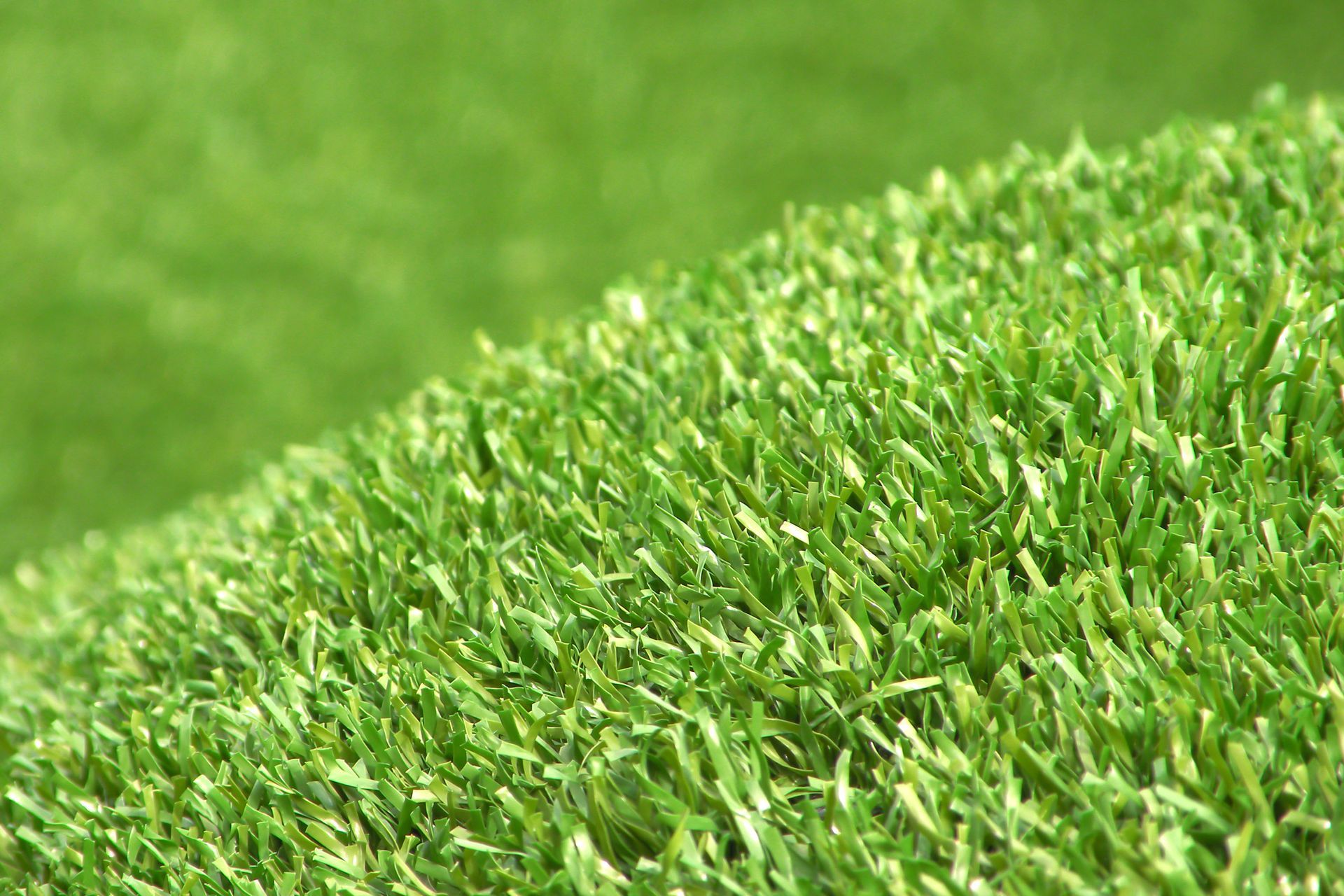
Artificial turf can provide businesses with a consistent outdoor appearance while reducing some of the routine maintenance associated with natural grass. Before making a decision, businesses should consider factors such as location, drainage, foot traffic, appearance, upkeep, and long-term use. This article explains the key considerations businesses should review when deciding whether artificial turf is appropriate for their commercial property.
Considering the Property
The first step when considering artificial turf is looking at the property as a whole. Different commercial properties have different layouts, traffic patterns, drainage conditions, and outdoor needs. An area near an entrance may have different requirements than a larger space used for gatherings or general landscaping. The intended use of the area should also be considered. Businesses may want an outdoor space that maintains a consistent appearance throughout the year, while others may need a surface that can handle regular foot traffic.
Understanding how a space will be used can help determine whether artificial turf is a practical choice. The surrounding landscape matters as well. Existing trees, walkways, buildings, drainage areas, and other features can affect how turf fits into the property. A local commercial landscaping company can evaluate the space and discuss factors that may affect the installation process.
Evaluating Maintenance Needs
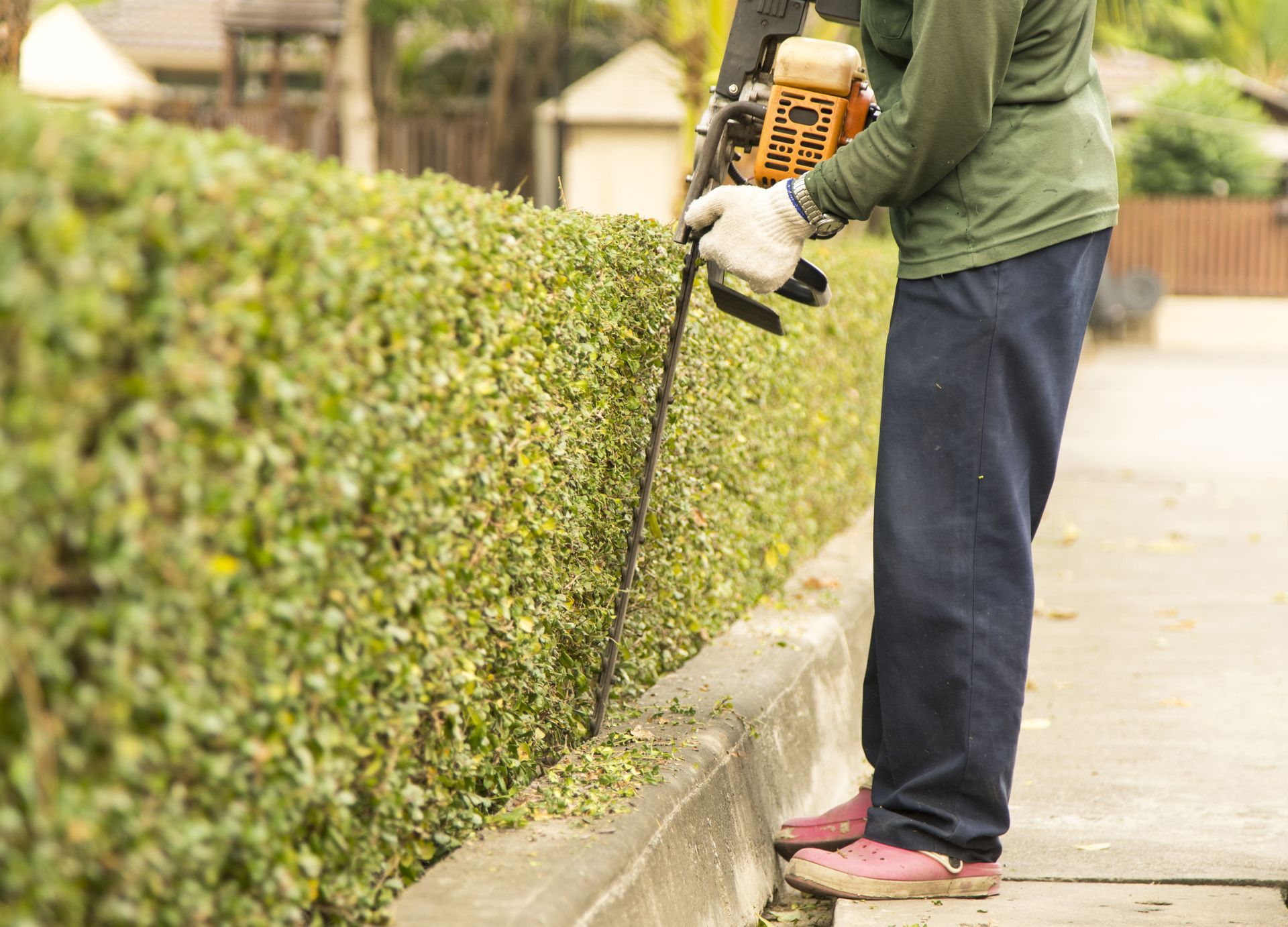
One reason businesses consider artificial turf is the potential for lower routine maintenance. Natural grass typically requires ongoing attention to maintain its appearance, while artificial turf does not need the same type of regular care. However, artificial turf is not completely maintenance-free. Leaves, dirt, debris, and other materials can collect on the surface and may need to be removed. Regular attention can help keep the area looking clean and usable.
According to Research Nester, artificial turf can last up to 15 years with very little maintenance. The lifespan of artificial turf can vary based on factors such as use, weather conditions, installation quality, and general care. Businesses should consider both the expected lifespan and the maintenance needed throughout that period when evaluating the long-term value of artificial turf. A local commercial landscaping company can provide guidance about ongoing care and help businesses understand what maintenance may be appropriate for their property.
Assessing Foot Traffic
Commercial properties can experience a wide range of foot traffic. Some areas may receive occasional use, while others may have people walking across them throughout the day. Businesses should consider how much activity the turf will receive before selecting an outdoor surface. High-traffic areas may experience more wear over time. The type and frequency of use can affect how the surface looks and performs.
Businesses should think about both current traffic and potential changes in how the property will be used in the future. Foot traffic can also affect the appearance of an outdoor space. Areas that receive frequent use may require more attention to keep them looking consistent. Discussing these expectations with a local commercial landscaping company can help businesses make decisions based on the property's intended use.
Reviewing Drainage Conditions
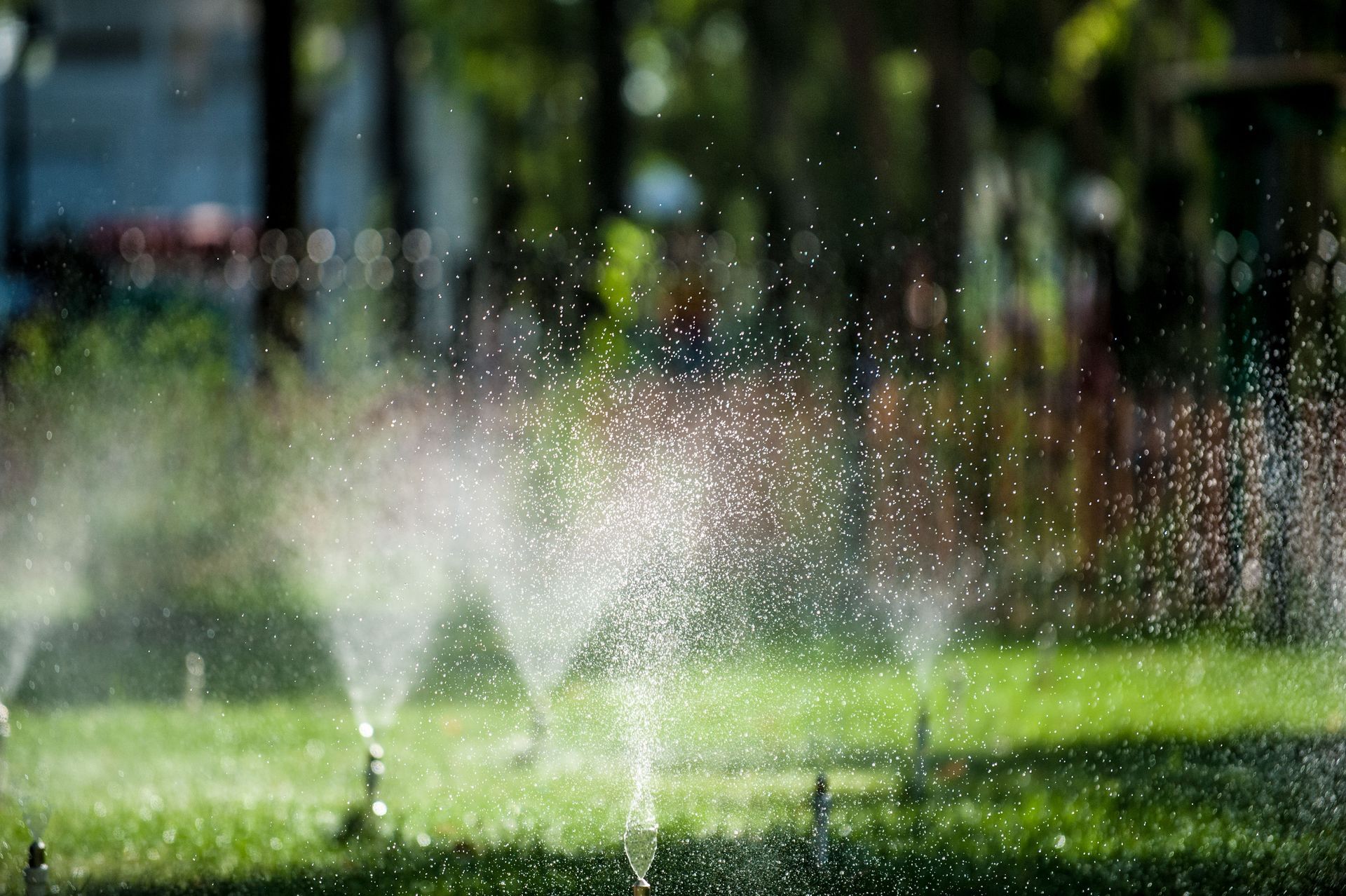
Drainage is another important consideration when installing artificial turf. Rainwater needs a suitable path away from the surface so that water does not remain in low areas or create ongoing problems. The property's existing grade and drainage conditions can affect how water moves across the area. Soil conditions and surrounding landscape features may also influence drainage. These factors should be considered before installation begins.
A properly planned outdoor area should account for how water moves during and after rainfall. Businesses should seek professional help when evaluating drainage concerns, particularly when an area has a history of standing water or poor drainage. A local commercial landscaping company can assess the property's existing conditions and identify drainage factors that may need to be addressed as part of the planning process.
Comparing Appearance Options
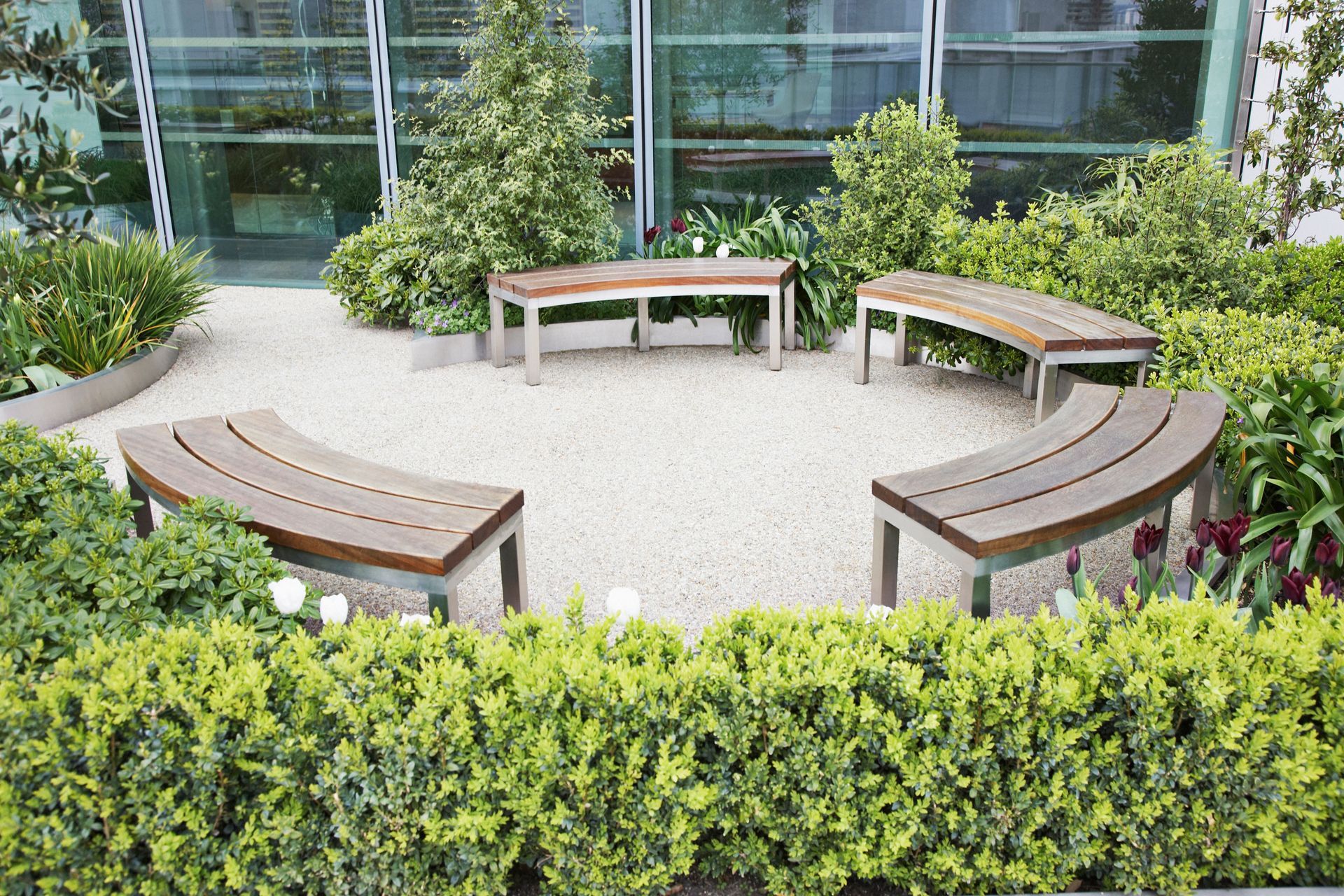
Businesses often consider appearance when evaluating artificial turf. A consistent green surface can create a uniform look in areas where maintaining natural grass may be difficult. This can be useful for commercial properties that want their outdoor areas to remain presentable throughout the year. The surrounding landscape should also be considered when choosing the overall appearance. Artificial turf should fit with nearby plants, walkways, buildings, and other outdoor features. A balanced design can help the space look more cohesive.
Businesses should also consider how the area will look during different seasons and under different weather conditions. Looking at the property as a complete outdoor environment can help guide decisions about where artificial turf may work best. Working with a local commercial landscaping company can provide another perspective on how artificial turf may fit within the existing landscape and overall property layout.
Planning for Weather
Weather conditions can have a major effect on commercial outdoor spaces. Heat, rain, wind, and changing seasonal conditions can all affect how an outdoor surface is used and maintained. Businesses should consider the climate and typical weather patterns when planning an artificial turf installation. Areas that receive significant rainfall may require careful attention to drainage, while locations that experience periods of high heat may require consideration of surface conditions during those times.
Weather can also affect how frequently an outdoor area is used. A space that receives regular foot traffic during mild weather may see less activity during periods of extreme temperatures or heavy rainfall. Seeking professional help can make it easier to identify weather-related factors that may affect the property's artificial turf. A local commercial landscaping company can help businesses consider how the outdoor area may perform under typical local conditions.
Reviewing Installation Conditions
The condition of the area before installation can affect the final result. The existing ground may need to be evaluated for grading, drainage, soil conditions, and other factors. Preparing the area properly can help create a more stable surface. The surrounding property should also be reviewed for potential obstacles. Existing landscaping, structures, walkways, irrigation features, and other elements may affect the installation area.
Businesses should not look only at the turf itself when planning the project. The condition of the underlying area and the way it connects with the rest of the property are also important considerations. A local commercial landscaping company can help evaluate the site and identify conditions that should be addressed before the installation process begins.
Planning the Investment
Cost is another factor businesses should consider when evaluating artificial turf. The initial investment may be different from the ongoing costs associated with maintaining natural grass. Businesses should look at the full picture rather than focusing only on the installation price. Long-term considerations can include maintenance, expected lifespan, future repairs, drainage needs, and how frequently the area will be used. Comparing these factors can help businesses understand how the investment fits within their overall property plans.
Businesses should also consider the value of maintaining a consistent outdoor appearance. A well-planned landscape can contribute to the overall presentation of a commercial property, particularly when outdoor areas are visible to employees, customers, or visitors. Seeking guidance from a local commercial landscaping company can help businesses review the practical considerations involved in planning an artificial turf installation.
Artificial turf can be a practical option for some commercial properties, but the decision should consider factors such as drainage, foot traffic, weather, maintenance, appearance, and long-term use. Businesses should also consider how the turf will fit within the property's overall landscape. Seeking professional help can provide useful guidance on site conditions and planning. When your business is considering artificial turf, contact Horizon Lawn & Landscape and speak with our local commercial landscaping company about your property's needs.