How Commercial Landscaping Companies Handle High-Traffic Business Properties
September 2, 2026

September 2, 2026

Do you want to make your business property stand out with vibrant landscaping? You should know that commercial properties pose specific landscaping challenges that require expert insight and strategic planning to address successfully. By understanding these nuances, landscaping firms can create spaces that aren't only beautiful but also highly functional and resilient. Let's explore the strategies and techniques used by commercial landscaping companies to effectively manage high-traffic business properties.


Understanding the Unique Challenges of High-Traffic Business Properties

Identifying Areas of High Footfall

Identifying areas of high footfall is crucial for landscape planning in commercial settings. These areas endure significant pressure and usage, necessitating durable design solutions. By conducting thorough site assessments, commercial landscaping companies can pinpoint exactly where the most wear and tear occur. This information is vital for creating targeted interventions that ensure longevity and functionality. Strategic landscaping in these high-traffic areas not only helps in maintaining the visual appeal but also contributes to customer satisfaction by making spaces more usable and inviting.


Assessing Wear and Tear Impact

Assessing the impact of wear and tear on materials and plants is fundamental in the planning stages. High-traffic areas naturally undergo more wear, requiring materials that can withstand significant usage. Commercial landscaping companies often employ durable materials such as concrete pavers and resilient turf. These choices minimize maintenance expenses in the long term while maintaining aesthetic appeal. Additionally, understanding wear patterns helps in planning maintenance schedules that optimize the lifespan of both natural and man-made components.


Environmental Considerations

Environmental considerations play a crucial role in designing landscapes for high-traffic business properties. Energy efficiency, water conservation, and biodiversity all need to be incorporated without compromising design goals. Commercial landscapers leverage native plants and efficient irrigation systems to harmonize with local ecosystems. This not only enhances environmental sustainability but also reduces operational costs. By aligning landscaping practices with environmental principles, companies can provide solutions that are both ethical and cost-effective.


Balancing Aesthetic Appeal with Functionality

Balancing aesthetic appeal with functionality presents a unique challenge in landscape design. While form should ideally follow function, ensuring visual attractiveness cannot be understated. Expert landscapers know how to blend enticing outdoor spaces with efficient flow and usability. According to Better Homes and Gardens, simple landscaping can produce a return on investment of up to 200%, underscoring the financial payoff of thoughtfully-designed aesthetics. This delicate balance enhances brand perception, customer satisfaction, and staff morale, impacting the bottom line positively.


Planning for Efficient Use of Space

Site Analysis and Survey

A thorough site analysis and survey are the foundational steps in strategic landscaping planning. These evaluations uncover the specific needs and constraints of the property, such as soil quality, existing vegetation, and topography. By understanding these elements, landscape architects can create customized solutions that align with natural conditions. This reduces development costs and ensures sustainability by leveraging the site's inherent advantages. Moreover, it sets the stage for creating comprehensive plans that meet aesthetic, functional, and environmental goals.


Creating Practical and Attractive Layouts

Creating practical and attractive layouts is an art that involves aesthetic flair and functional insight. The layout should facilitate easy movement while presenting inviting focal points and harmonious aesthetics. Effective layout design considers visual sight-lines, color harmony, and proportional balance, all of which contribute to an enjoyable and efficient environment. In commercial spaces, the layout directly impacts the flow of businesses, influencing client and customer engagements. Hence, meticulously designed layouts serve dual purposes: enhancing user experience and driving business success.


Incorporating Multi-Functional Spaces

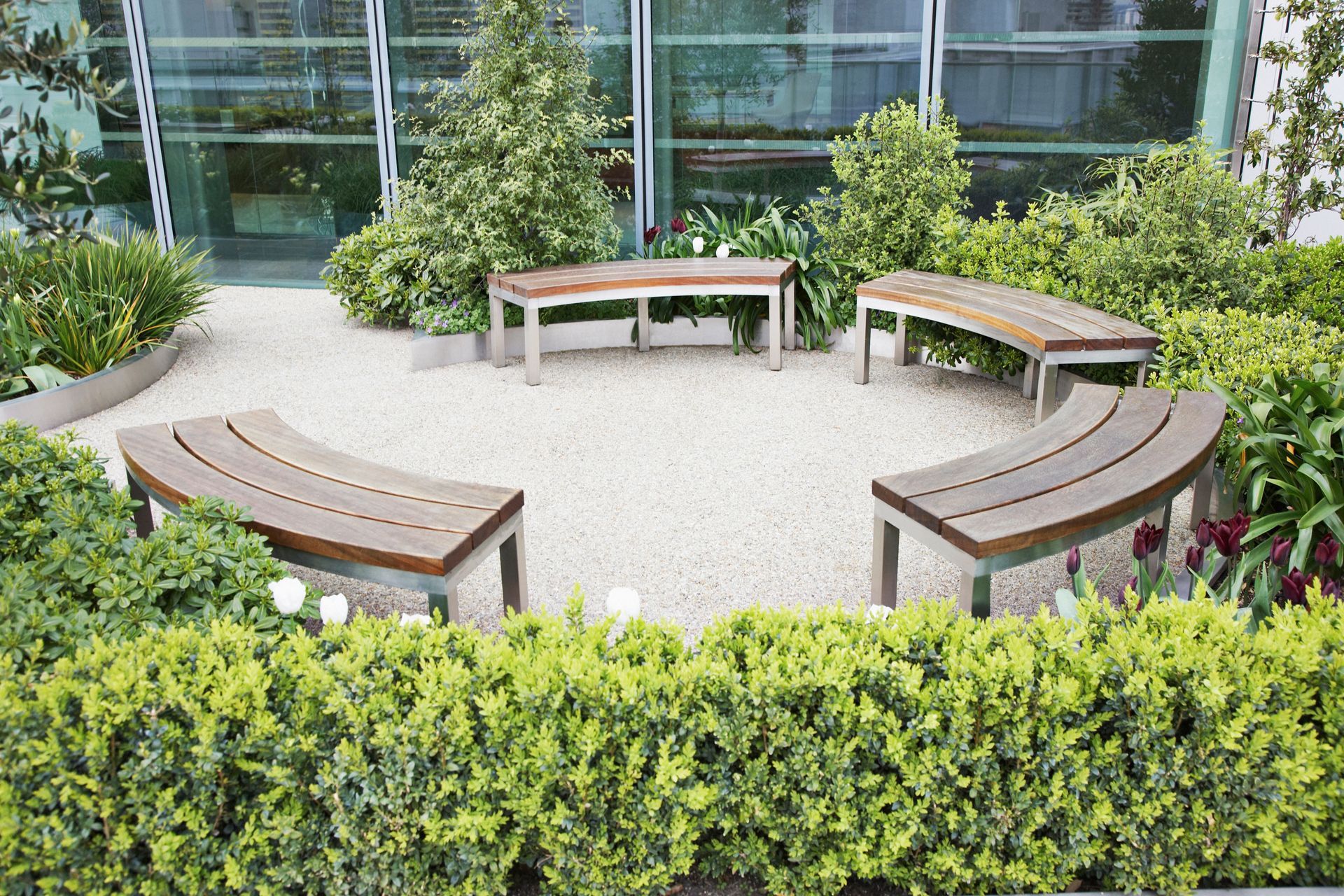
Incorporating multi-functional spaces in commercial landscapes adds layers of usability and versatility. These areas serve dual purposes, such as seating areas in courtyard gardens or gathering spaces in shade alcoves. Multi-functional design not only maximizes utility but also caters to changing needs without significant structural modifications. This flexibility is particularly valuable in high-traffic business properties where space is often at a premium. Ultimately, such dynamic settings contribute to a vibrant workplace culture and increased customer satisfaction by offering versatile environments tailored to diverse needs.


Designing for Flow and Movement

Designing for flow and movement within a commercial landscape is critical for functional efficiency. The arrangement should enable intuitive navigation and align with pedestrian traffic patterns. Well-planned paths, signage, and space allocation simplify user experience and enhance functionality. Strategic flow design also facilitates emergency access and mitigates congestion, key considerations for high-traffic areas. By fostering seamless movement, commercial landscaping companies contribute to safety, accessibility, and overall satisfaction of all property users.


Future-Proofing and Scalability

Future-proofing and scalability are integral considerations in commercial landscaping projects. These initiatives protect landscapes from becoming obsolete and allow for easy adaptation to growth or changing needs. Simple design choices, such as modular components and adaptable plantings, offer flexibility without compromising visual appeal. Scalability ensures that businesses can evolve without the need for costly renovations, ensuring a sustainable return on investment. Landscapers uniquely position these features as selling points, emphasizing broad, adaptable solutions that support business continuity and growth.


Designing for High-Traffic Areas

Choosing Durable Plant Varieties

Choosing durable plant varieties is vital for creating resilient landscapes in high-traffic areas. These plants endure a range of environmental stresses, from foot traffic to variable weather conditions, without sacrificing visual appeal. Native and regionally adapted species are prime candidates, offering robust growth with minimal maintenance. Additional considerations such as drought tolerance, pest resistance, and soil compatibility further inform plant selection. Durable plantings not only contribute materially to the landscape's aesthetic but also help achieve sustainability and longevity goals.


Seasonal Planting for Continuous Appeal

Implementing seasonal planting strategies ensures continuous appeal and vibrancy throughout the year. Different plants bloom in varied seasons, offering constantly changing visuals that captivate and engage users. Effective seasonal design leverages perennial plants and temporary installations that ensure seamless transitions between different times of the year. This strategic planting approach creates a cohesive and animated environment all year round, boosting aesthetic value. Businesses benefit by maintaining fresh and appealing landscapes that attract and retain attention across all seasons.


Leveraging Low-Maintenance Options

Leveraging low-maintenance landscape options is essential for managing high-traffic areas without extensive upkeep. By selecting hardy, well-adapted plant varieties and ground covers, landscapers can minimize watering, pruning, and weeding requirements. These options reduce labor costs and environmental impact while providing lush and attractive settings. Synthetic alternatives, such as artificial turf and composite decking, offer further opportunities for reducing maintenance commitments. Lowering maintenance demands not only benefits business budgets but also supports environmental stewardship, creating lasting positive impressions.


Ensuring Plant Health in Challenging Environments

Ensuring plant health in challenging environments requires thoughtful interventions and care. Commercial landscaping companies employ strategies such as soil amendments, proper drainage solutions, and appropriate plant spacing to address adverse conditions. Regular inspections and proactive problem-solving keep plants vibrant and alive despite demanding surroundings and heavy stress. Advanced irrigation systems, like drip or smart technologies, optimize water delivery efficiently. By proactively managing plant health, landscapers enhance beauty, resilience, and user satisfaction in commercial spaces.


Implementing Regular Maintenance Practices

Implementing regular maintenance practices is crucial for preserving landscape appearance and functionality. Scheduled tasks, such as tree trimming, mowing, and pest control, ensure optimal growth and vitality. Regular upkeep protects plants from potential damage while also minimizing safety hazards associated with neglected spaces. Moreover, prioritizing maintenance extends plant and material life cycles, maximizing return on investment. Tailored maintenance plans empower businesses to sustain appealing, welcoming environments amidst the challenges of high-traffic settings.


Commercial landscaping companies play a crucial role in ensuring that high-traffic business properties remain functional, attractive, and environmentally responsible. By understanding challenges and strategically planning, these companies can successfully address the demanding needs of such environments, enhancing both business appeal and customer satisfaction. Thoughtful design, maintenance practices, and efficient communication sustain landscapes that complement business operations and support environmental goals. Reach out to Horizon Lawn & Landscape, LLC today if you're ready to start transforming your commercial landscape!

Tiered gray stone retaining wall beside a landscaped slope with shrubs and mulch
July 2, 2026
A well-placed retaining wall has the power to turn underused outdoor areas into standout features. Whether it’s adding structure to a slope or framing a landscape with purpose, the right design can bring new life to your yard or commercial property. Far beyond holding back soil, today’s retaining wall ideas bring a new level of style, function, and value to your outdoor space—whether you own a home or manage a commercial property. In this article, you’ll discover five standout retaining wall ideas that can instantly improve curb appeal, make your landscape more usable, and even boost your property’s long-term value. And if you’re in Kansas, Blue Springs, or surrounding areas, Horizon Lawn & Landscape can help turn these ideas into reality with expert craftsmanship and local experience. 1. Tiered Garden Walls for Multi-Level Charm If your property is built on a slope or has uneven ground, tiered garden walls offer both beauty and practicality. This design breaks up a steep area into smaller, level terraces—perfect for planting flowers, shrubs, or even herbs. The result is a layered landscape that feels intentional and dynamic rather than awkward or unused. Not only do tiered walls control erosion and make maintenance easier, but they also maximize vertical space in your yard. This idea works well in both residential gardens and commercial settings like storefronts or community centers, where structured greenery can add visual interest. By using complementary materials like natural stone or textured concrete, Horizon Lawn & Landscape can help you build a tiered system that blends seamlessly with your overall landscape. 2. Modern Stone Retaining Walls for Sleek Appeal For homeowners or business owners with a contemporary taste, modern stone retaining walls are a great way to match your outdoor look to your architectural style. Think smooth textures, clean lines, and subtle colors like charcoal gray or soft beige. These walls don’t just serve a function—they become a design statement. What’s more, modern retaining walls can double as built-in seating for outdoor areas, creating practical and stylish lounging spaces. This option is especially appealing for patios, courtyards, or office exteriors looking to boost usability while keeping everything minimalist. Our team at Horizon can recommend and install high-quality, modern materials that complement your space and provide lasting structure. 3. Natural Boulder Walls for Rustic Character If you prefer a more organic and rugged landscape, natural boulder retaining walls are the way to go. These massive stones bring a raw, earthy feel that blends beautifully into wooded backyards or open landscapes, making them ideal for parks, rural homes, and large properties. Besides their natural charm, boulder walls are incredibly strong and low maintenance. Because they’re heavy and irregular, placing them correctly requires skill—and that’s where our expertise comes in. We’ll make sure each boulder serves both aesthetic and structural purposes, helping you create a wall that feels as though it’s always belonged in the landscape. 4. Wood Timber Walls for Warmth and Affordability Looking for something warm, inviting, and cost-effective? Timber retaining walls provide all three. Made from pressure-treated wood or repurposed railroad ties, these walls offer a cozy, rustic look that works well in gardens, patios, or outdoor play areas. While timber walls may not last as long as stone options, proper installation and drainage can extend their lifespan significantly. They’re also easier and faster to build, making them a smart choice for budget-conscious projects or small-scale residential applications. At Horizon, we help you get the most out of timber walls by choosing durable wood, ensuring proper treatment, and designing with both form and function in mind. 5. Mixed-Material Walls for Custom Curb Appeal If you’re looking to make a bold statement, mixed material retaining walls offer unmatched design flexibility. By combining wood, stone, concrete, or even metal accents, you can create a custom look that elevates your landscape’s uniqueness and appeal. This approach allows you to reflect your personality or brand—perfect for stylish homes or standout commercial properties. Some mixed-material walls also incorporate features like built-in lighting or planter boxes, turning a simple structure into a true landscape centerpiece. With careful design and material selection, Horizon Lawn & Landscape can help you balance textures and colors for a wall that enhances both form and function.
Modern backyard patio with orange seating, lush green lawn, and glass-walled house beside trees
July 2, 2026
Tired of mowing every weekend, battling patchy grass, or watching your water bill spike during dry Kansas summers? You’re not alone. More property owners in Kansas City are turning to artificial turf as a smart, low-maintenance landscaping alternative—but not all turf (or turf installers) are equal. The quality of your installation and the product you choose can make or break your investment. In this guide, we’ll walk you through 10 expert tips to help you choose the best artificial turf for your property—whether you’re upgrading a backyard, designing a pet area, or managing a commercial space. 1. Match Turf Type with Its Intended Use Not all artificial turf is created for the same purpose. Turf designed for pets has excellent drainage and odor control, while turf for sports areas prioritizes durability and shock absorption. If you’re simply looking to beautify a front yard, the focus might shift to realism and curb appeal. That’s why understanding the intended use is the first step in making a smart choice. The best kind of artificial turf for a playground won’t necessarily be the best one for a decorative garden path. Clarifying your needs early ensures you’re not compromising on function or aesthetics. 2. Don’t Overlook Pile Height and Density The visual appeal and comfort of turf often come down to two key factors: pile height and density. Pile height refers to how tall the grass blades stand, while density reflects how tightly packed the fibers are. For residential lawns, a pile height of around 1.5 to 2 inches tends to strike a good balance between natural look and easy upkeep. Heavier foot traffic areas, like commercial spaces or walkways, benefit from denser turf that stands up better over time without flattening or looking worn. 3. Understand the Importance of Infill Infill plays a crucial role in the performance and longevity of your turf system. It’s the material brushed between the blades to help them stay upright, support foot traffic, and improve drainage. There are several types to choose from, including silica sand, crumb rubber, and even organic options made from walnut shells or cork. Some infills are better suited for hot climates, while others excel in pet-friendly environments. Selecting the right infill for your turf application improves comfort, reduces odors, and can even enhance durability over the years. 
Person mowing a lush green lawn with a red riding mower outdoors
July 2, 2026
A healthy, green lawn is more than just curb appeal—it’s a reflection of the care and attention you give your home or business. In Kansas City, maintaining that perfect lawn takes more than just occasional mowing or watering. The city’s unique blend of hot summers, chilly winters, and varying soil conditions means your grass needs a tailored approach to truly thrive. That’s why we’ve put together these seven proven lawn care tips designed specifically for Kansas City properties. Whether you’re managing a residential yard or a commercial landscape, these strategies will help you avoid costly mistakes, grow healthier grass, and keep your property looking its best all year long—with a little help from the professionals at Horizon Lawn & Landscape when you need it. 1. Avoid the Most Common Mistake When Treating Lawns One of the biggest lawn care mistakes we see in Kansas City is overfertilizing—or applying the wrong type of fertilizer at the wrong time. While it may seem like “more is better,” too much fertilizer can burn your grass, encourage weed growth, and even damage the soil over time. Another frequent error is cutting the grass too short, which stresses the plant and exposes roots to heat damage. The key is balance. Follow product instructions carefully, consider slow-release fertilizers, and adjust based on the season. If you’re unsure about your lawn’s nutrient needs, professional soil testing can help identify deficiencies. Horizon Lawn & Landscape offers tailored lawn assessments that take the guesswork out of fertilizing, ensuring your lawn gets exactly what it needs—nothing more, nothing less. 2. Fertilize at the Right Time for Kansas City Lawns Timing is everything when it comes to fertilization. In Kansas City, the best results typically come from a two- to four-step fertilization plan spread across spring, early summer, late summer, and fall. For cool-season grasses like tall fescue, spring and fall feedings are especially critical. For warm-season grasses such as Bermuda, early summer fertilization promotes strong growth before peak heat. Applying fertilizer at the wrong time—such as during drought or extreme heat—can waste product and even harm your lawn. The University of Missouri Extension recommends a fall application for cool-season grasses to build root strength before winter. A professional team like Horizon can schedule and apply fertilizer at optimal times, so your lawn looks lush without the risk of overfeeding. 3. Choose the Best Grass for Kansas Yards The type of grass you choose can make or break your lawn’s success. Kansas City’s transitional climate means you have options, but some varieties will perform better than others. Cool-season grasses like tall fescue are popular for their deep roots, drought tolerance, and ability to stay green through much of the year. Warm-season varieties like zoysia or Bermuda thrive in summer heat but may go dormant in cooler months. Selecting the right grass depends on sunlight exposure, soil type, and how much traffic your lawn gets. Mixing varieties can give you the best of both worlds. Horizon’s lawn care experts can recommend and install grass types that match your property’s needs, ensuring beauty and durability through every season. 4. Mow Correctly for Healthier Lawns Mowing might seem straightforward, but doing it incorrectly can weaken your lawn. In Kansas City, the general rule is to keep cool-season grasses at about 3–3.5 inches during the growing season. Cutting too short can stress the grass, make it more vulnerable to weeds, and reduce its ability to retain moisture. It’s also best to mow regularly, removing no more than one-third of the grass blade at a time. Keeping mower blades sharp is essential for clean cuts that heal quickly. For consistently neat, professional results—especially for large properties—Horizon’s mowing services can save you time and deliver the precision your lawn deserves. 5. Master Lawn Watering for Kansas City’s Climate Watering is where many Kansas City property owners struggle. The right amount and timing make all the difference. Generally, lawns need about one inch of water per week, either from rainfall or irrigation. Early morning is the ideal time to water, allowing moisture to reach roots before the day’s heat causes evaporation. Overwatering can lead to shallow roots and disease, while underwatering leaves grass brittle and brown. Installing an irrigation system or using smart watering techniques can help balance moisture levels year-round. Horizon can assess your current watering routine and suggest improvements, so your lawn stays hydrated without wasting water. 6. Aerate and Overseed for Long-Term Lawn Health Over time, soil becomes compacted, making it harder for air, water, and nutrients to reach grass roots. Aeration—removing small plugs of soil—relieves compaction and encourages stronger root growth. Overseeding after aeration fills in thin areas and improves lawn density. For Kansas City’s climate, fall is generally the best time for these services, especially for cool-season grasses. Overseeding in autumn allows seeds to establish before winter, resulting in a thicker, healthier lawn come spring. Horizon offers aeration and overseeding as part of its comprehensive lawn care services, giving your lawn a fresh start and better resilience. 7. Maintain a Year-Round Lawn Care Plan Healthy lawns aren’t built in a day—they require consistent care throughout the year. Spring focuses on soil preparation and seeding, summer demands attentive watering and mowing, fall is perfect for aeration and fertilization, and winter is a time to protect your grass from frost damage. Many property owners find that partnering with a professional service saves time and ensures better results. Horizon Lawn & Landscape offers flexible maintenance programs tailored to both residential and commercial clients, with options that fit every budget. You can even check our average cost for weekly lawn service to plan ahead. With experts handling the details, you can enjoy a beautiful lawn without the stress. Your Best Lawn Starts Now Kansas City’s climate can be tough on lawns, but with the right care plan, you can enjoy a lush, green yard that stands out in every season. From avoiding common mistakes to choosing the right grass and maintaining a year-round schedule, these seven tips give you a strong foundation for success. Whether you want to handle the work yourself or leave it in the hands of professionals, the team at Horizon Lawn & Landscape is ready to help. Our lawn care services are designed for Kansas City’s unique conditions, ensuring your property looks its best while saving you time and effort. Contact them today for a free consultation—and start enjoying a healthier, more beautiful lawn tomorrow.
Show More →