A healthy landscape depends on more than choosing attractive plants and maintaining neat planting beds. Consistent access to water helps grass, trees, shrubs, flowers, and other vegetation develop strong roots and maintain healthy growth throughout the year. However, watering a landscape effectively requires more than turning on a hose whenever the soil looks dry. An irrigation system should deliver the appropriate amount of water to the areas that need it while limiting unnecessary runoff and waste. For commercial properties, a properly designed system can also make landscape maintenance more consistent and manageable. Commercial irrigation installation can provide an organized way to distribute water throughout larger outdoor spaces. When irrigation is planned around the needs of the landscape, property owners can support healthier vegetation while maintaining an attractive appearance.
Supporting Consistent Plant Growth
Plants need dependable moisture to support normal growth and development throughout the growing season. Irregular watering can leave some areas of a landscape too dry while other locations receive excessive moisture. A properly designed irrigation system helps distribute water more evenly across lawns, planting beds, and landscaped areas. This consistency can help plants maintain healthier root systems and reduce stress caused by fluctuating soil moisture. Commercial irrigation installation can be especially useful for properties with large lawns, multiple planting areas, or extensive outdoor spaces. Irrigation zones can be arranged according to the watering requirements of different plants and landscape sections. This approach allows areas with different moisture needs to receive more appropriate watering schedules. Over time, consistent irrigation can contribute to a landscape that looks healthier and grows more uniformly.
Protecting Plant Root Systems
Healthy roots provide the foundation for strong and resilient plants. When soil becomes excessively dry, plants may struggle to absorb enough moisture and nutrients to support normal growth. At the same time, constantly saturated soil can create conditions that interfere with healthy root development. A balanced irrigation schedule helps maintain more suitable moisture conditions around plant roots. Watering deeply and appropriately can encourage roots to grow into the surrounding soil rather than remaining concentrated near the surface. This can help vegetation become better established and more capable of handling ordinary environmental stress. Properly placed irrigation components can also direct water toward root zones instead of unnecessarily wetting sidewalks, driveways, or other hard surfaces. Maintaining appropriate soil moisture gives plants a stronger foundation for continued landscape health.
Conserving Water Through Efficiency
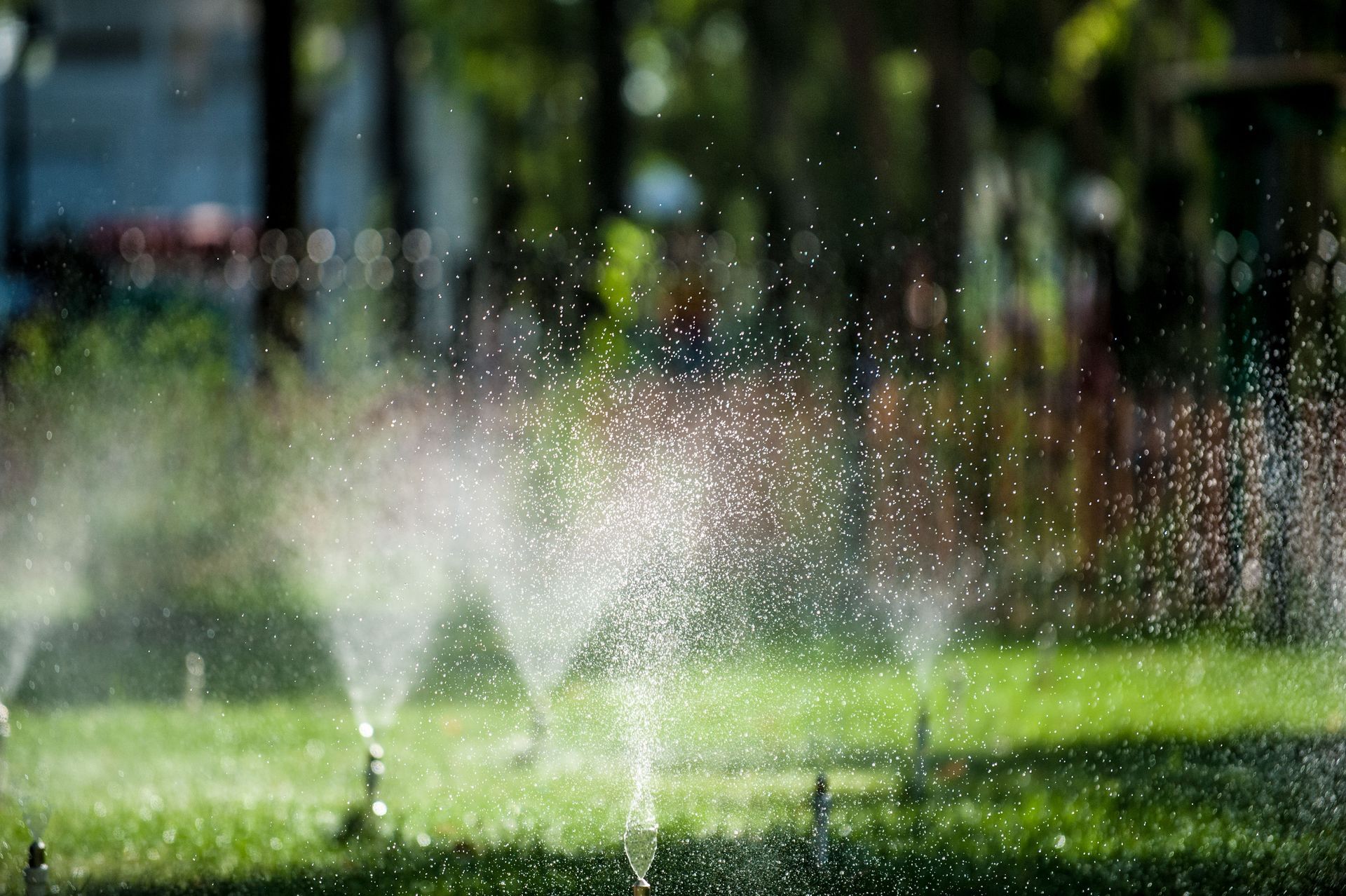
Efficient irrigation is important because landscape watering can become wasteful when systems are poorly designed or improperly adjusted. Overspray, broken components, excessive watering, and poorly timed cycles can all cause water to be used unnecessarily. According to WifiTalents, groundwater supplies 43% of the world's total irrigation water, highlighting the importance of managing irrigation resources carefully. Modern irrigation systems can incorporate features that improve distribution and help reduce unnecessary water use. Timers and controllers can be adjusted to account for seasonal conditions and changing landscape requirements. Sensors may also help systems respond to moisture levels or weather conditions rather than operating on an unsuitable fixed schedule. Commercial irrigation installation can provide the foundation for organizing these components across larger properties. Efficient watering benefits both the landscape and the long-term management of valuable water resources.
Reducing Landscape Stress
Plants can experience stress when they receive too little or too much water for extended periods. Signs of water-related stress may include wilting, discoloration, slow growth, or declining plant quality. A consistent irrigation routine can help prevent dramatic changes in soil moisture that place unnecessary strain on vegetation. Different types of plants may also have different watering requirements, making a one-size-fits-all approach less effective. Dividing a property into irrigation zones allows watering schedules to better reflect the characteristics of each landscape area. Shaded areas, sunny lawns, planting beds, and areas with different soil conditions may require different amounts of water. Properly calibrated irrigation equipment can help deliver water more accurately where it is needed. This creates more stable growing conditions and can help landscape plants remain healthier through normal seasonal changes.
Maintaining Attractive Outdoor Areas
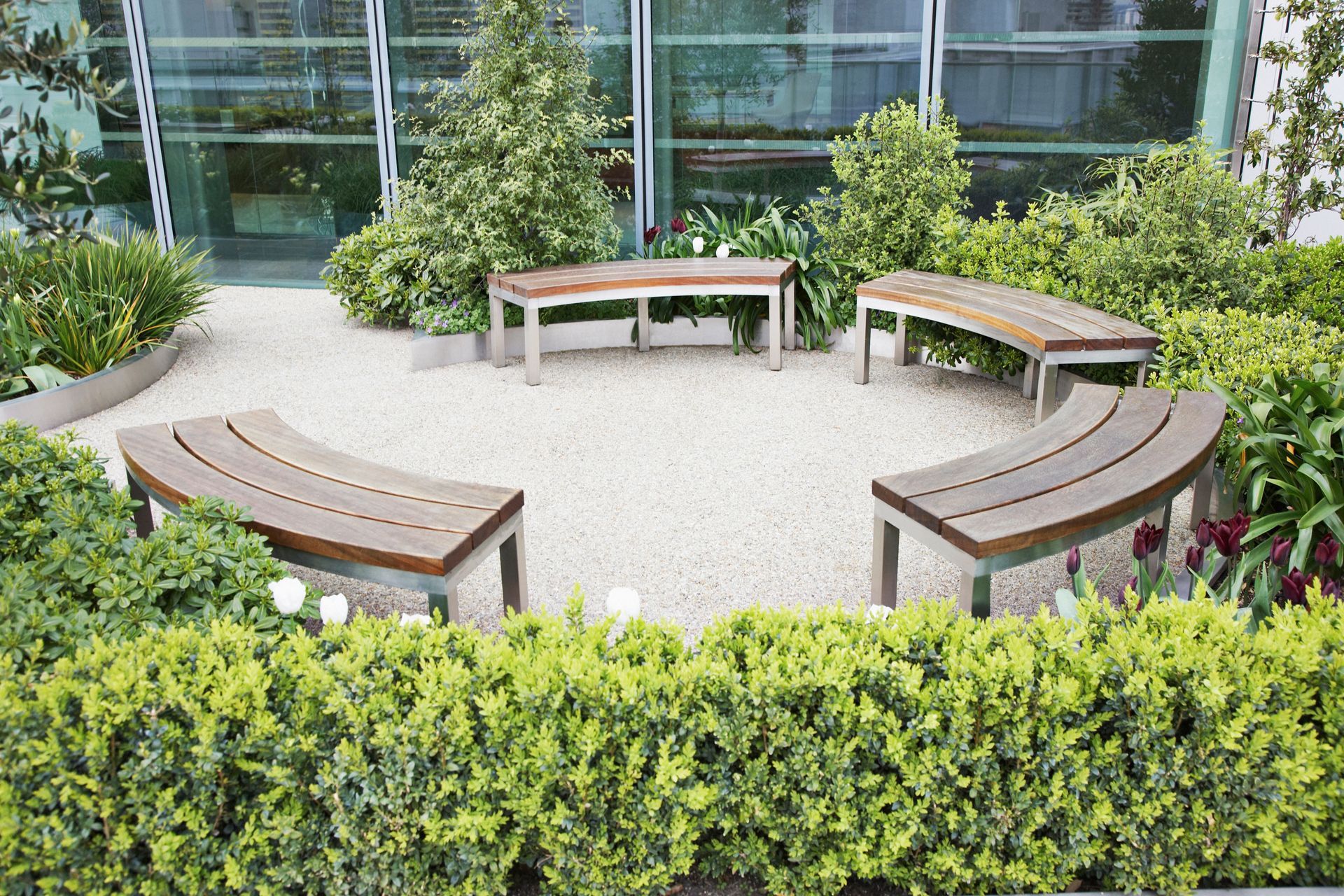
A well-maintained landscape contributes to the overall appearance of a commercial property. Green lawns, healthy plant beds, and thriving trees can create a more polished outdoor environment for employees, customers, visitors, and other occupants. Irrigation plays an important role in maintaining that appearance because plants require consistent moisture to remain healthy. Dry patches can make lawns look uneven, while stressed shrubs and flowers can diminish the appearance of planting beds. Commercial irrigation installation can help provide consistent coverage across larger landscaped areas that may be difficult to water manually. Automated schedules can also reduce the possibility of certain areas being overlooked during routine maintenance. Consistent watering supports the visual condition of the landscape without requiring personnel to manually water every section. With appropriate maintenance, irrigation can help outdoor areas remain attractive throughout changing growing conditions.
Improving Maintenance Efficiency
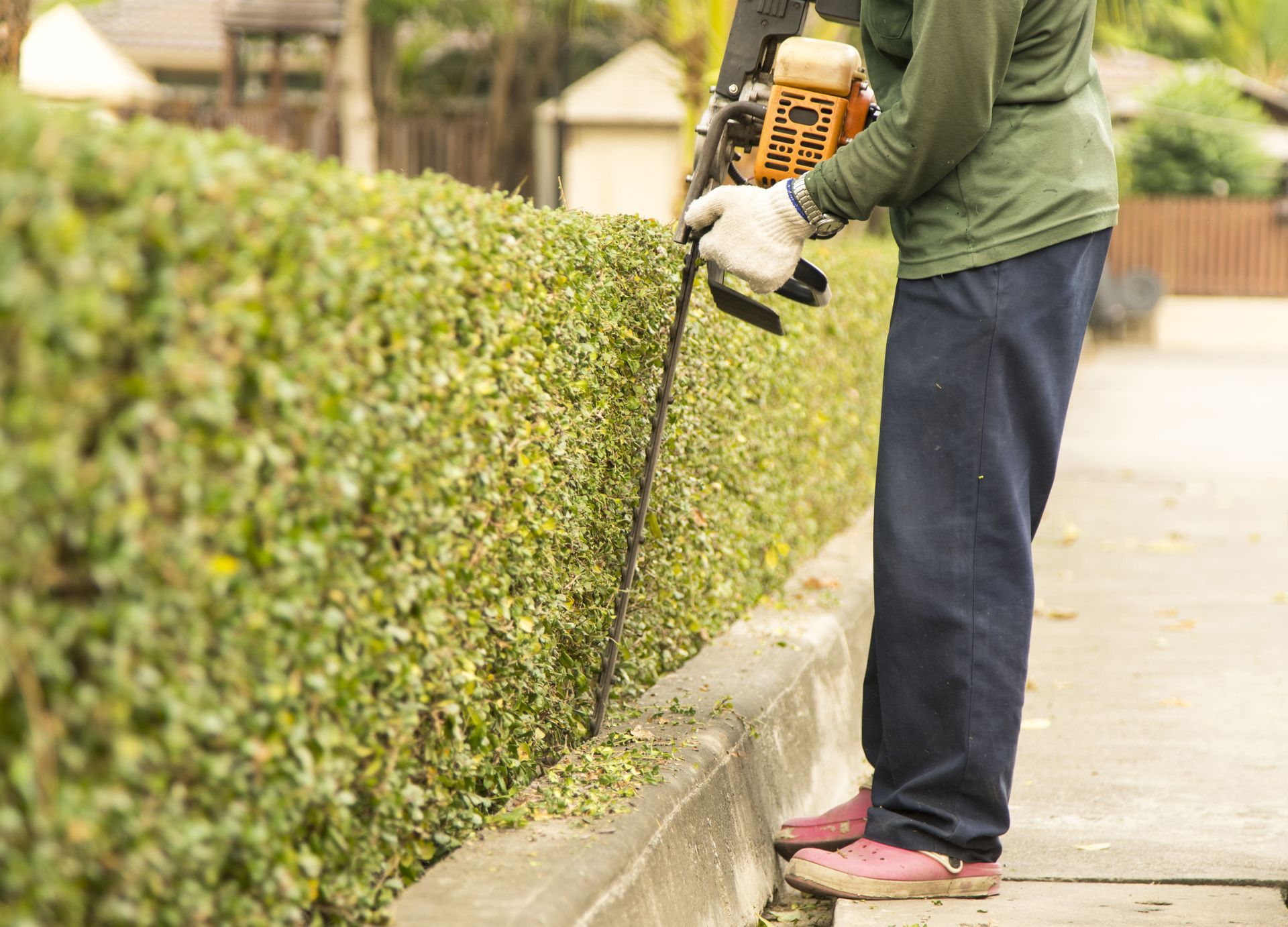
Landscape maintenance can become more demanding when irrigation is inconsistent or difficult to manage. Manually watering large properties can require considerable time, especially when different areas have different moisture requirements. An organized irrigation system can automate recurring watering tasks and make landscape care more predictable. Property managers and maintenance teams can establish schedules based on plant requirements, weather patterns, and seasonal conditions. Commercial irrigation installation can also help separate watering responsibilities into manageable zones across a property. When irrigation equipment is properly maintained, routine watering can occur without requiring constant manual attention. This allows landscape professionals to focus on other important maintenance activities, such as mowing, pruning, fertilizing, and inspecting plants. A dependable irrigation system therefore becomes an important part of an efficient overall landscape maintenance strategy.
Preventing Common Irrigation Problems
Even a well-designed irrigation system requires regular attention to continue operating effectively. Sprinkler heads can become clogged, damaged, or misaligned, causing water to miss the areas they are intended to cover. Leaks and damaged pipes can also reduce system performance and increase unnecessary water consumption. Controllers may require seasonal adjustments as temperatures, rainfall, and plant needs change. Routine inspections can identify these problems before they significantly affect the surrounding landscape. Property owners should also monitor areas for standing water, unusually dry patches, runoff, or inconsistent plant growth. Addressing these warning signs promptly can help preserve irrigation efficiency and protect landscape health. Regular maintenance keeps the system working as intended and helps ensure that watering remains consistent throughout the property.
Planning Irrigation for Long-Term Health
Effective irrigation begins with understanding the landscape rather than simply installing equipment and choosing a watering schedule. Soil conditions, plant types, sun exposure, property layout, drainage, and seasonal weather can all influence irrigation requirements. A thoughtful design accounts for these factors before irrigation components are placed throughout the property. Commercial irrigation installation should be planned around the property's existing landscape and its long-term maintenance requirements. Properly positioned sprinkler heads, drip lines, valves, controllers, and other components can create more targeted watering coverage. As the landscape changes, irrigation zones and schedules may also need adjustments to accommodate new plants or different maintenance requirements. Periodic evaluation helps identify opportunities to improve coverage, efficiency, and water management. With appropriate planning and ongoing care, irrigation can support a healthier landscape for years to come.
Healthy landscapes require dependable care, and irrigation is one of the systems that helps provide that consistency. Proper watering supports plant growth, protects root systems, reduces stress, and contributes to an attractive outdoor environment. It can also make landscape maintenance more efficient while helping property owners manage water resources responsibly. The right irrigation approach depends on the specific characteristics and needs of each property. Regular inspections and timely adjustments are equally important for keeping the system effective as conditions change. For commercial properties, a professionally planned watering system can provide reliable coverage across lawns, planting beds, trees, and other landscaped areas. Horizon Lawn & Landscape can help properties establish effective irrigation solutions designed around their landscape needs. Contact us to discuss irrigation services that can help maintain a healthy, attractive, and well-managed landscape.